November 3, 2026
Florida has long been known for its sunshine, coastal breeze, and vibrant outdoor lifestyle. In recent years, neighborhood transportation across the Sunshine State has undergone a massive shift, with low-speed electric options rapidly gaining traction over traditional full-sized automobiles. Short trips to the local grocery store, beach access points, school drop-off zones, and downtown dining districts no longer mandate a large SUV or sedan. Choosing a smaller footprint for local errands also significantly reduces daily fuel expenses and lowers carbon emissions across coastal communities. According to Accio, street-legal golf carts are being increasingly embraced for short-distance travel, supported by pilot programs launched in more than 15 U.S. cities. In Florida, where master-planned communities and coastal towns thrive on accessible infrastructure, driving a street-legal cart has evolved from a resort luxury into an everyday lifestyle choice. However, navigating the legal distinction between a standard golf cart and a street-legal Low-Speed Vehicle is essential before taking to public roadways. Understanding state statutes, safety equipment mandates, licensing rules, and proper maintenance empowers vehicle owners to enjoy convenient, eco-friendly transportation safely and legally.
Understanding the Legal Difference Between Standard Carts and LSVs
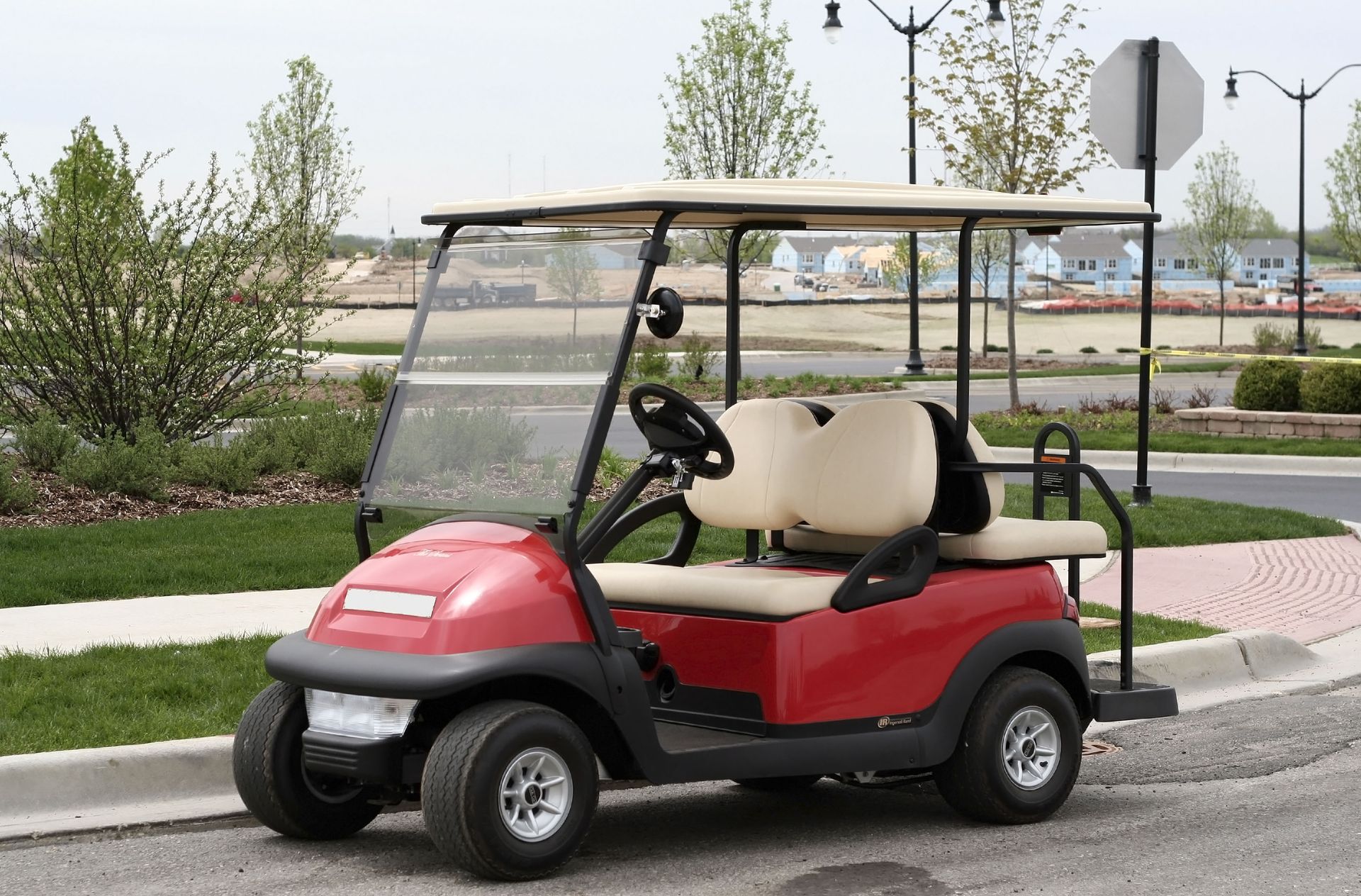
To operate a personal cart on public roads in Florida, vehicle owners must first understand how state law differentiates a basic golf cart from a Low-Speed Vehicle (LSV). A traditional golf cart is designed primarily for course play or designated paths, with maximum speeds capped at 20 miles per hour. Under Florida law, standard carts are restricted to private property, gated subdivisions, and specific municipal roadways explicitly designated by local government ordinance. Conversely, a street-legal cart is legally classified as an LSV. An LSV is a four-wheeled motor vehicle capable of attaining speeds between 20 and 25 miles per hour. Because an LSV reaches higher speeds and complies with Federal Motor Vehicle Safety Standards, the state of Florida treats it as a motor vehicle. This distinction means street-legal LSVs require a Vehicle Identification Number (VIN), official registration, a state license plate, and proper insurance coverage before hitting public streets.
Equipment Requirements for Street-Legal Conversion and Compliance
Transforming a basic cart into a fully compliant LSV requires specific safety hardware mandated by the Florida Department of Highway Safety and Motor Vehicles (FLHSMV). Standard factory carts lack the protective gear necessary to mix safely with conventional automobile traffic. To achieve street-legal status, a cart must feature headlights, taillights, brake lights, and front and rear turn signals. Additionally, the vehicle must be outfitted with red reflex reflectors on each side and the rear, a parking brake, an exterior mirror on the driver side, an interior rearview mirror (or passenger-side exterior mirror), and a DOT-approved safety glass windshield. Three-point seat belts must be installed at every designated seating position to protect passengers during travel. High-visibility LED light packages ensure that your vehicle remains easily visible to surrounding motor traffic during dawn, dusk, and nighttime driving. Partnering with a professional builder ensures that all installed accessories meet strict state and federal safety guidelines.
Where You Can Legally Drive Street-Legal Carts in Florida
Once a vehicle is properly titled, registered, and equipped as an LSV, its operational range expands dramatically compared to standard golf carts. Florida statute permits street-legal LSVs to drive on any public road where the posted speed limit is 35 miles per hour or less. This includes most residential streets, downtown business districts, beach strip corridors, and suburban neighborhood connectors. LSV drivers can also cross multi-lane highways or roads with higher posted speed limits, provided the crossing occurs at a designated, signalized intersection. Local municipal regulations may occasionally post additional zone restrictions, so checking city ordinances before traveling is always recommended. However, street-legal LSVs are strictly prohibited from driving along roads with speed limits exceeding 35 mph, nor are they permitted on interstate highways or pedestrian sidewalks. Understanding localized traffic flow and posted speed signs ensures that drivers stay compliant while commuting around town.
Licensing, Registration, and Insurance Obligations
Operating a street-legal LSV in Florida carries legal responsibilities similar to driving a standard passenger car. Drivers must possess a valid driver’s license to operate an LSV on public roads. Florida law strictly enforces driver licensing requirements, prohibiting unlicensed minors from operating LSVs on public thoroughfares. Furthermore, because an LSV is a registered motor vehicle, owners must maintain valid Florida auto insurance coverage. The state mandates a minimum of $10,000 in Personal Injury Protection (PIP) and $10,000 in Property Damage Liability (PDL). Registering the vehicle requires submitting the Manufacturer’s Certificate of Origin or conversion paperwork, paying titling fees, and displaying a valid Florida license plate on the rear bumper. Keeping registration documents and proof of insurance inside the vehicle at all times prevents costly traffic citations.
Choosing Between Gas and Lithium-Powered Electric Carts
When selecting or custom-building a street-legal vehicle, buyers must decide between traditional gas engines and modern electric powertrains. While gas models offer long range and quick refueling, electric models have become the dominant choice for neighborhood micro-mobility due to their quiet operation and zero emissions. Advances in lithium-ion battery technology have revolutionized electric personal transport. Lithium batteries weigh significantly less than old lead-acid alternatives, charge faster, provide consistent power without voltage drops, and require zero routine water maintenance. Modern smart chargers allow owners to replenish their battery bank overnight using standard 110-volt household electrical outlets. Lithium-powered units offer extended range on a single charge, making them ideal for running daily errands, dropping kids off at school, or commuting to coastal hubs. Evaluating your daily mileage habits, charging setup, and maintenance preferences helps determine the ideal power system for your lifestyle.
Customization Options and Safety Upgrades for Daily Commuting
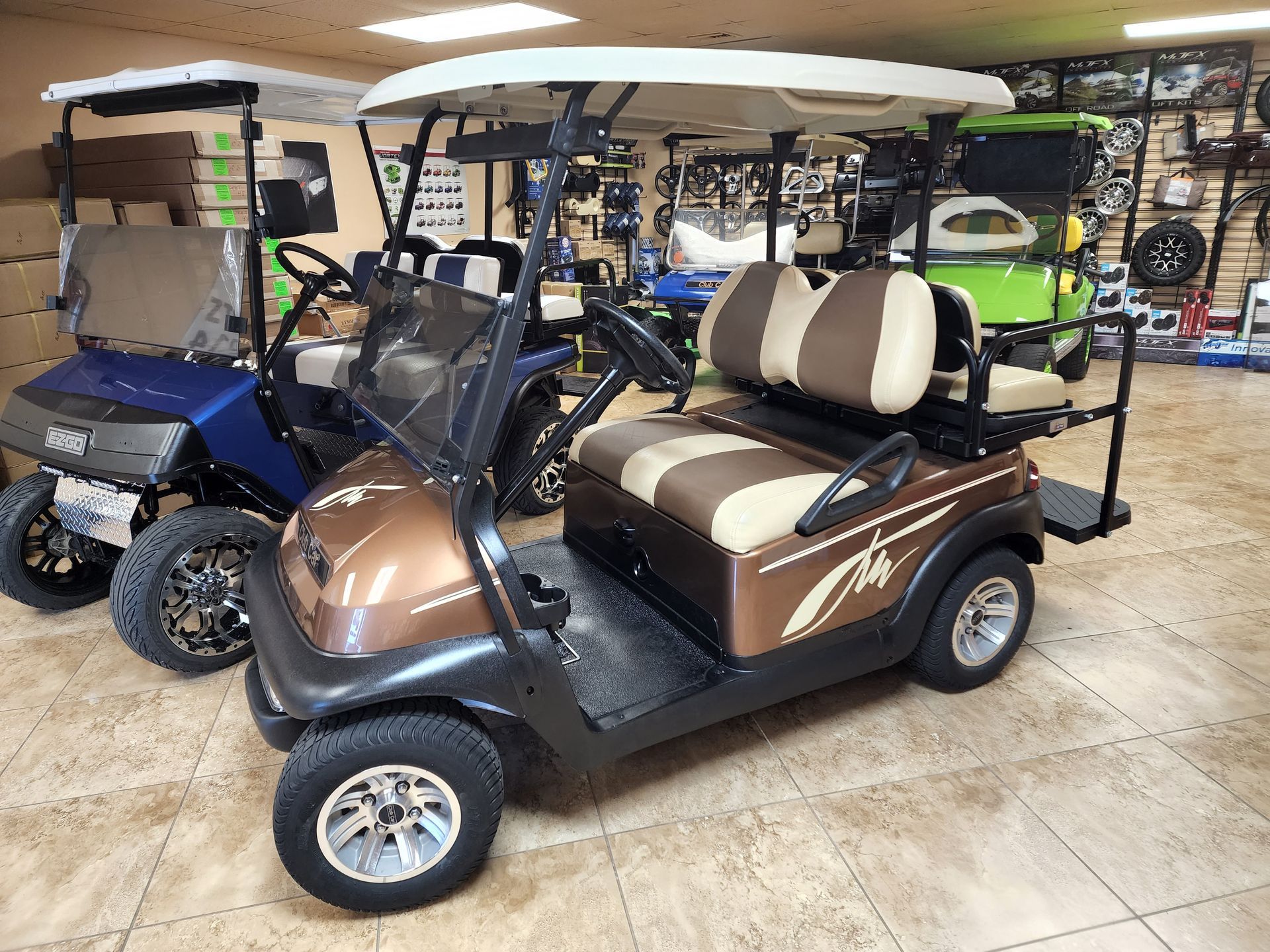
A primary appeal of owning a street-legal vehicle is the ability to customize its appearance, comfort, and utility. Standard utility frames can be transformed into luxurious neighborhood cruisers with custom paint finishes, premium marine-grade upholstery, ergonomic seating, and extended canopy tops. Upgraded suspension packages, heavy-duty hydraulic disc brakes, and custom aluminum wheels improve ride quality and handling performance on paved roads. Tech-savvy owners often add Bluetooth sound bars, digital dashboard displays, backup cameras, and integrated LED underglow lighting for night drives. Security enhancements—such as digital keypads, steering wheel locks, and GPS tracking units—protect your investment when parked in public beach lots or shopping plazas. Tailoring your vehicle with personalized features elevates daily comfort while enhancing safety during suburban transit.
Essential Maintenance Practices to Protect Your Structural Investment
Maintaining a street-legal vehicle requires consistent inspection and care to preserve road readiness and resale value. Tire pressure and tread depth should be checked regularly, as proper inflation ensures maximum traction, efficient battery performance, and balanced braking. Brake pads and hydraulic fluid levels require periodic checks to guarantee immediate stopping power when maneuvering through neighborhood traffic. Routine inspections of chassis bolts and frame welds help catch loose hardware before minor structural vibrations lead to component wear. For electric vehicles, keeping electrical connections clean, tight, and corrosion-free prevents power loss and battery drain. Periodically inspecting suspension bushings, steering linkages, and seat belt tensioners ensures structural integrity over years of continuous use. Establishing a routine maintenance schedule with a certified technician keeps your custom ride running reliably while preventing minor mechanical wear from developing into major repair expenses.
Embracing street-legal personal transportation offers Florida residents an enjoyable, efficient, and eco-friendly way to navigate their local communities. By upgrading standard units with mandatory safety features, obtaining proper state registration, and adhering to 35 mph roadway limits, drivers can safely enjoy maximum freedom on public streets. Investing in quality components, advanced lithium batteries, and professional assembly ensures that your custom vehicle remains safe, compliant, and reliable for daily errands and coastal outings. Understanding state laws and prioritizing routine vehicle maintenance safeguards both your family and your financial investment. Contact A 2 Z Custom Carts LLC today to build, convert, or service your dream street-legal ride and experience the ultimate in neighborhood mobility!